Powered By


Nonverbal and cannot do things for himself and has no sense of danger
Cooking by staff
Travel dangerous as can go in any direction and on any bus
Cannot function alone
Has to have everything done for him
First, let me say that I'm truly sorry for what you are dealing with. I understand because my son is now 59 years old, and the things I have had to deal with during the past 38 years since he was placed in a group home are unbelievable.
When he was living at home and attending public school, I received a call saying that he wouldn't be coming home because he had walked out of his classroom. There were two teachers in the room, yet no one saw him leave. The police came to my house to search for him, and even a helicopter was involved in the search. There were so many other times that he escaped that there isn't enough paper to tell them all. We even lost him once from our own home and another time while we were at an amusement park, despite the fact that his father and I knew how quickly he could disappear.
No matter what you say or put in writing, the danger of your son wandering will always be there, especially while he is young. My son had an uncanny knack for knowing when no one was looking. Now, at 59 years old, he has lost much of the energy and desire to wander that he had in his younger years.
With all of that being said, I strongly recommend getting a tracking device for your son. I obtained a doctor's order requiring my son to wear a tracking device because having a physician's order helps hold caregivers accountable. Unfortunately, the group home caregivers resisted the idea. They would forget to charge the battery or would remove the device and "accidentally" wash it. I question the word "accidentally" because it happened so often.
The device we used was through AngelSense. It worked very well and allowed me to see where my son was at all times, as well as whether the device was charged and being worn. However, the caregivers remained noncompliant. Eventually, I went through the police department, and they placed an ankle tracking device on him that allows them to locate him should he ever disappear. He can shower while wearing it, and he wears it 24/7. Every few months, the police come to the group home to replace the batteries.
I loved the AngelSense device and highly recommend it. However, if caregivers fail to keep it charged or do not take proper care of it, you may end up spending additional money replacing damaged devices.
https://careoptionsforkids.com/blog/how-to-comm...
1. Create a Social StoryA social story breaks down the new routine into a sequence of events, helping to ease anxiety.Use actual photographs of the caregiver, their uniform, or the specific times they will arrive.Keep the descriptions short and direct (e.g., "New helper comes. We play games. Mommy comes back.").2. Leverage Visual Schedules and BoardsNon-verbal children often process visual information more easily than spoken words.Use a visual schedule with icons or actual objects to show the caregiver's arrival and departure.Create a simple choice board (e.g., "Do you want to show the helper your LEGOs or iPad first?") to help them establish control over the environments.
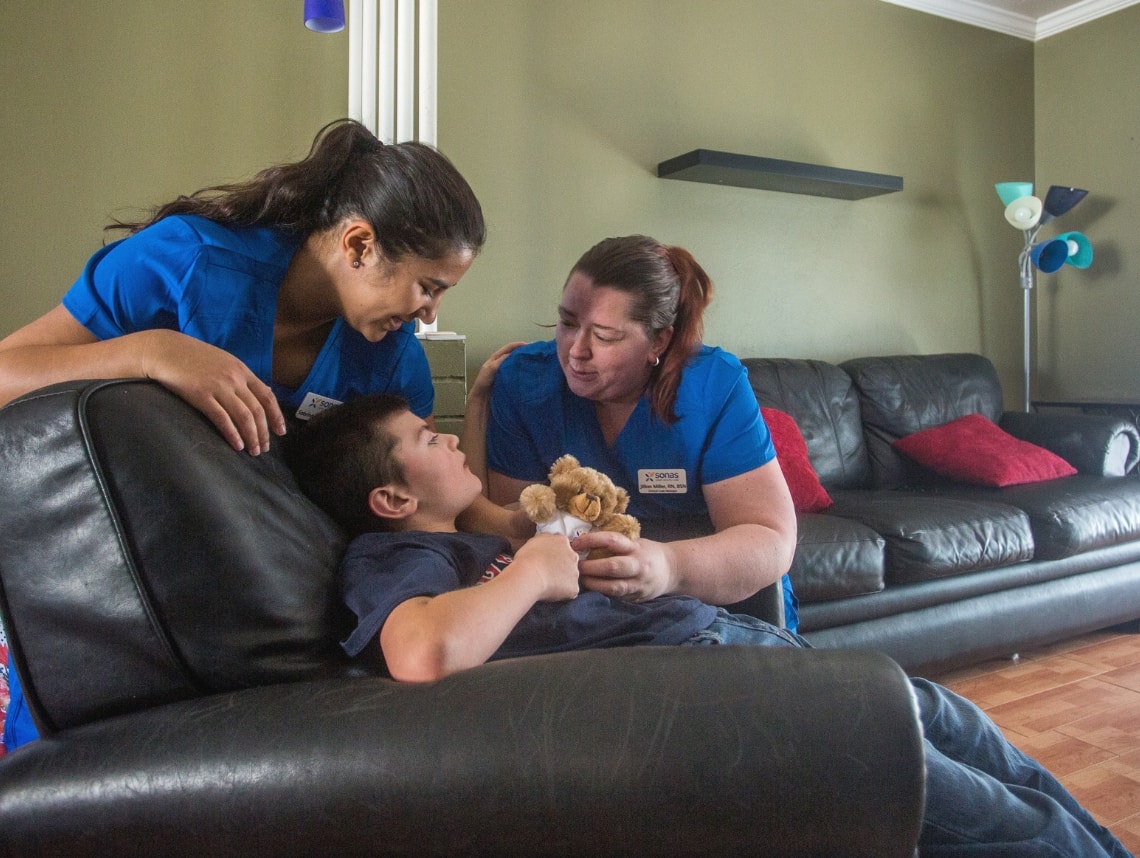

How can you clearly explain to a care home that your nonverbal son requires two night staff and two daytime staff due to his high support needs?
When advocating for your son's care needs, being very specific and direct is key. Care homes respond best to clear, documented evidence of what support is needed and why.
Here Show Full Answer


 Continue with Facebook
Continue with Email
Continue with Facebook
Continue with Email

 Join
Join



 Your Privacy Choices