
Connect with others who understand.

  •   Learn from expert-reviewed resources
  •   Real advice from people who’ve been there
  •   People who understand what you’re going through
Sign Up Log In
Powered By
Real members of MyAutismTeam have posted questions and answers that support our community guidelines, and should not be taken as medical advice. Looking for the latest medically reviewed content by doctors and experts? Visit our resource section.
A MyAutismTeam Member asked a question πŸ’­
3006 Eastpoint Pkwy, Louisville, KY 40223
6 days ago
 · 
Be the first to react
A MyAutismTeam Member

https://www.nu.edu/blog/what-is-natural-environ...

Common Examples in Daily Life

β€’ Playtime: Using toy cars, blocks, or animal figurines to practice labeling colors, requesting turns, or following spatial directions (e.g., "put the car on the bridge").
β€’ Mealtimes: Practicing functional communication by asking for a drink, using utensils, or making choices between two snacks.
β€’ Outings: Working on social greetings, waiting in line, or labeling community signs at the grocery store or park.
β€’ Daily Routines: Selecting clothing items during the morning routine or counting bath toys.
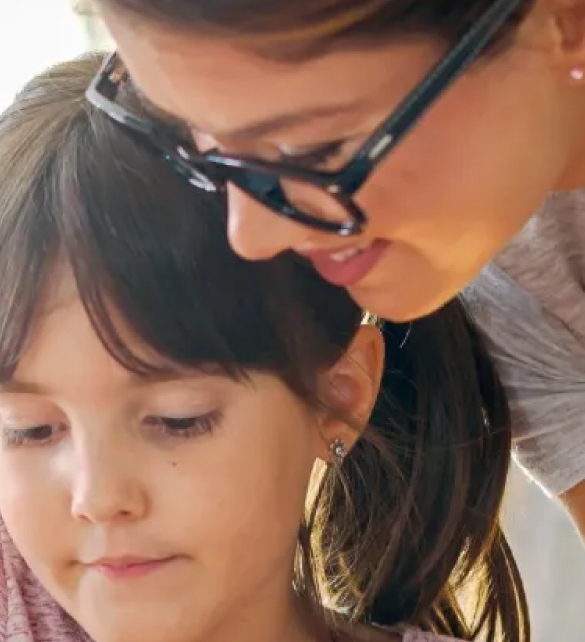
What is Natural Environment Teaching? A Guide to NET | National University
5 days ago
MyAutismTeam

Natural Environment Teaching (NET) is all about embedding learning into everyday life rather than formal sit-down sessions. The good news? Home is actually the perfect place for it!

Here are some practical ways to weave teaching moments into daily routines:

- Mealtime – Practice requesting foods, naming items, or counting Show Full Answer

Natural Environment Teaching (NET) is all about embedding learning into everyday life rather than formal sit-down sessions. The good news? Home is actually the perfect place for it!

Here are some practical ways to weave teaching moments into daily routines:

- Mealtime – Practice requesting foods, naming items, or counting utensils while cooking or eating together
- Bath time – Work on body part identification, following instructions, or turn-taking with toys
- Getting dressed – Build independence skills by practicing sequencing (socks before shoes!)
- Grocery shopping – Use real-world settings to practice language, choices, and social interaction
- Play time – Follow your child's lead and use their interests to teach new skills naturally A key tip is to stay calm and regulated yourself. Children with autism often mirror the emotional state of those around them, so a relaxed parent can create a more relaxed learning environment.

Also, keeping activities predictable and low-pressure helps reduce anxiety, making your child more open to learning. Practicing new skills in small, familiar settings before introducing busier environments is a great strategy too.

6 days ago

Related Questions

View All
A MyAutismTeam Member asked a question πŸ’­
Mansfield, MA