Powered By


So emma doesn't do the dark! She sleeps with her bedroom light on, every light in the house has to be on and if driving at night the light by her car seat has to be on. Well at school they have locked down drills once a month where they all have to get in the closet with the lights off. Its a HUGE trigger for emma. I've bought a multi color light and bubble machine for her classroom to try and help and it doesn't. Any suggestions on what I can possibly help soothe her fear but still keeping in… read more
@A MyAutismTeam Member thank you so much friend I will definitely try that 😊
If you sit together and watch the tv in the dark, might that get her accustomed to the dark or have tent which is dark with flashlight and just play for few seconds in it every day and keep times short but longer afterwards xx hugs friend xx
Catherine6 I think those are some wonderful ideas!(: not silly what so ever ! I will definitely take those ideas about the snack and talking to me to her teacher ! And I will definitely try doing the drill at home! Thank you so much for taking the time to give me feedback(: I truly appreciate it and will definitely be trying these tips(:
https://pmc.ncbi.nlm.nih.gov/articles/PMC4079659/
https://www.completechildrenshealth.com.au/sadl...
supportive Approaches:
Gradual Exposure: Slowly acclimating to a dim environment rather than sudden darkness.
Comfort Items: Using weighted blankets or preferred nightlights to provide a sense of security.
Predictability: Ensuring the evening routine is identical every night to reduce anxiety.
Environmental Adjustments: Use nightlights, allow doors to be open, or use white noise machines to manage sensory input.
Validate and Reassure: Acknowledge the fear rather than dismissing it, providing calm, consistent reassurance, as suggested in this article from Dr. Kristine Edwards.
Gradual Exposure: Gently introduce the dark or help them explore, as explained in this article from the Autism Awareness Centre Inc..
Professional Help: Cognitive Behavioral Therapy (CBT) adapted for autism is considered the gold standard for treating these anxieties.
Sensory and Physiological Impact: Individuals with autism may experience heightened anxiety in the dark, partly due to sensory sensitivities. Research indicates that in dim or dark environments, the pupils of those with autism may dilate faster and exhibit different, potentially disruptive responses compared to neurotypical peers.
Fear and Anxiety: The inability to see one's surroundings can lead to severe anxiety, with some autistic individuals catastrophizing or imagining worst-case scenarios when the environment becomes dark and quiet.
Sleep Challenges: Fear of the dark often causes significant sleep struggles for autistic children, starting from a young age.
Managing the Fear: Strategies for helping include establishing a strict, predictable bedtime routine, using, and keeping the bedroom environment consistently calming, cool, and quiet.
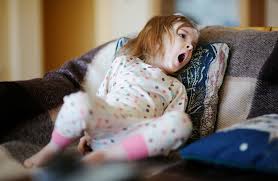

She screams and cries and will make her self hyperventilate 😢 and when she is like that im the only one that can calm her. She doesn't let her teachers or aids touch her to try and comfort her 😔



 Join





 Your Privacy Choices